A morning without clean water is a morning without choices.
Amara wakes at 4:30 AM. Not to an alarm — to the knowledge that the walk to the nearest water source is two hours each way, and that the water at the end of it may carry the same illness that took her neighbor's son last dry season.
She doesn't have a filter. Her family doesn't have a tap. What they have is a plastic jerry can that weighs 20 kilograms when full, and a body that has learned to carry it anyway.
This isn't a story about poverty. It's a story about infrastructure — and the specific, solvable gap between what exists and what's needed.
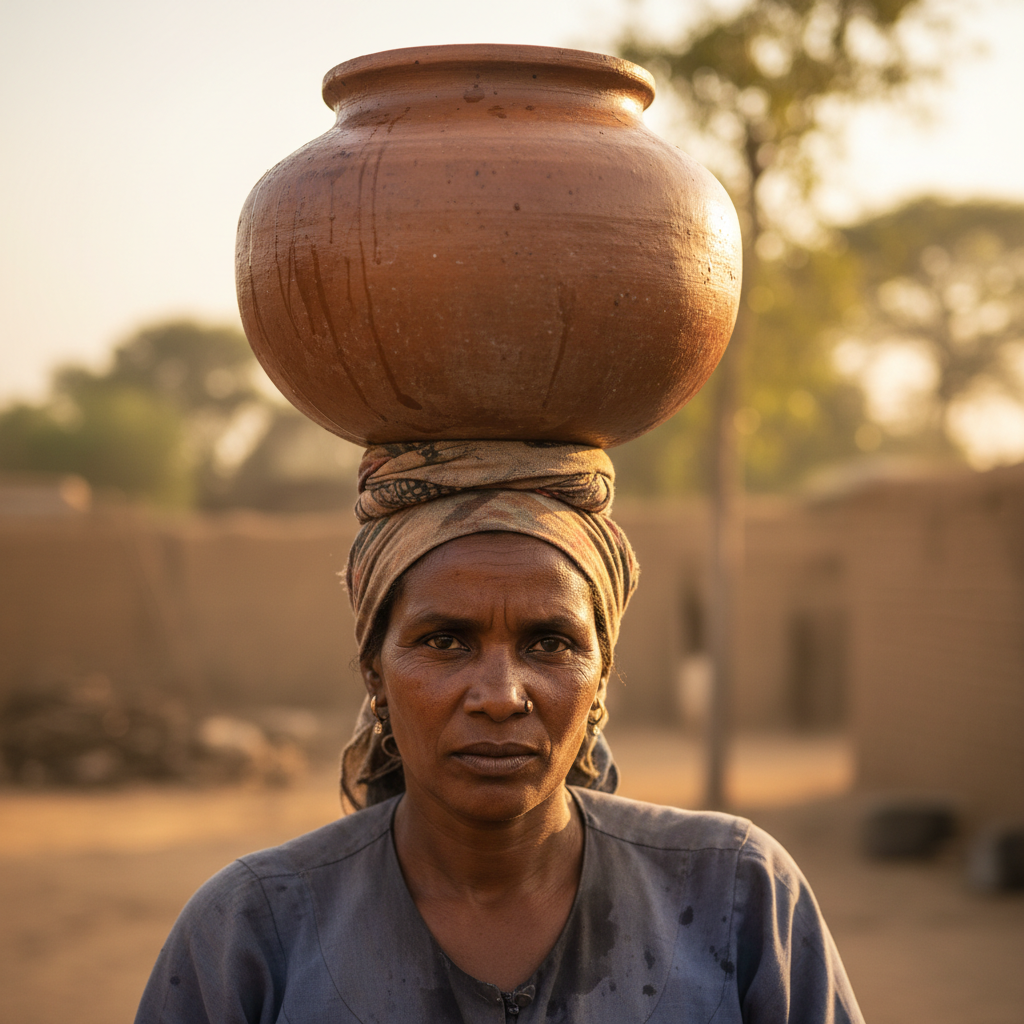
Amara's story is shared by 703 million people.
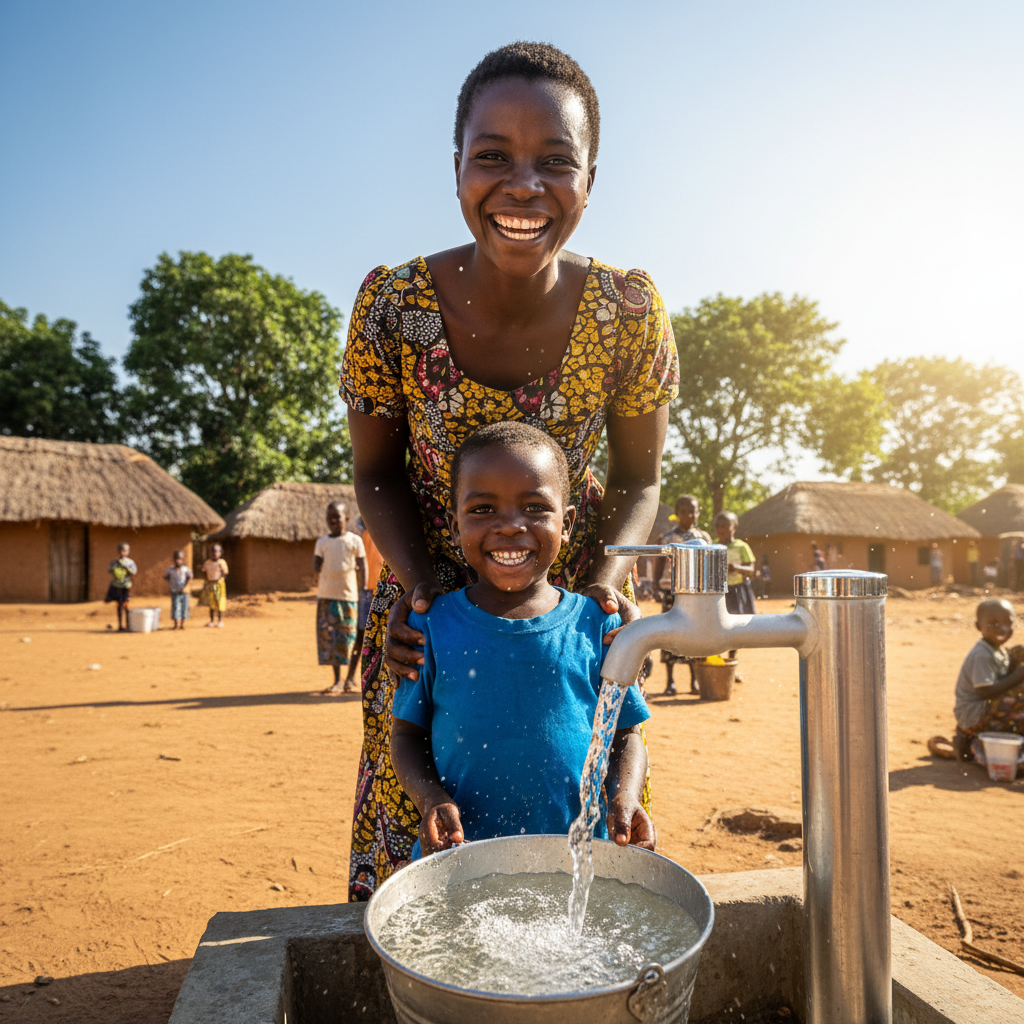
Composite portrait, Sub-Saharan Africa · WHO/UNICEF 2023
By the numbers
People without safe drinking water at home
Average daily time women and girls spend collecting water
Children die every day from water-related illness
Sources: WHO/UNICEF Joint Monitoring Programme, 2023 · WASH Progress Report


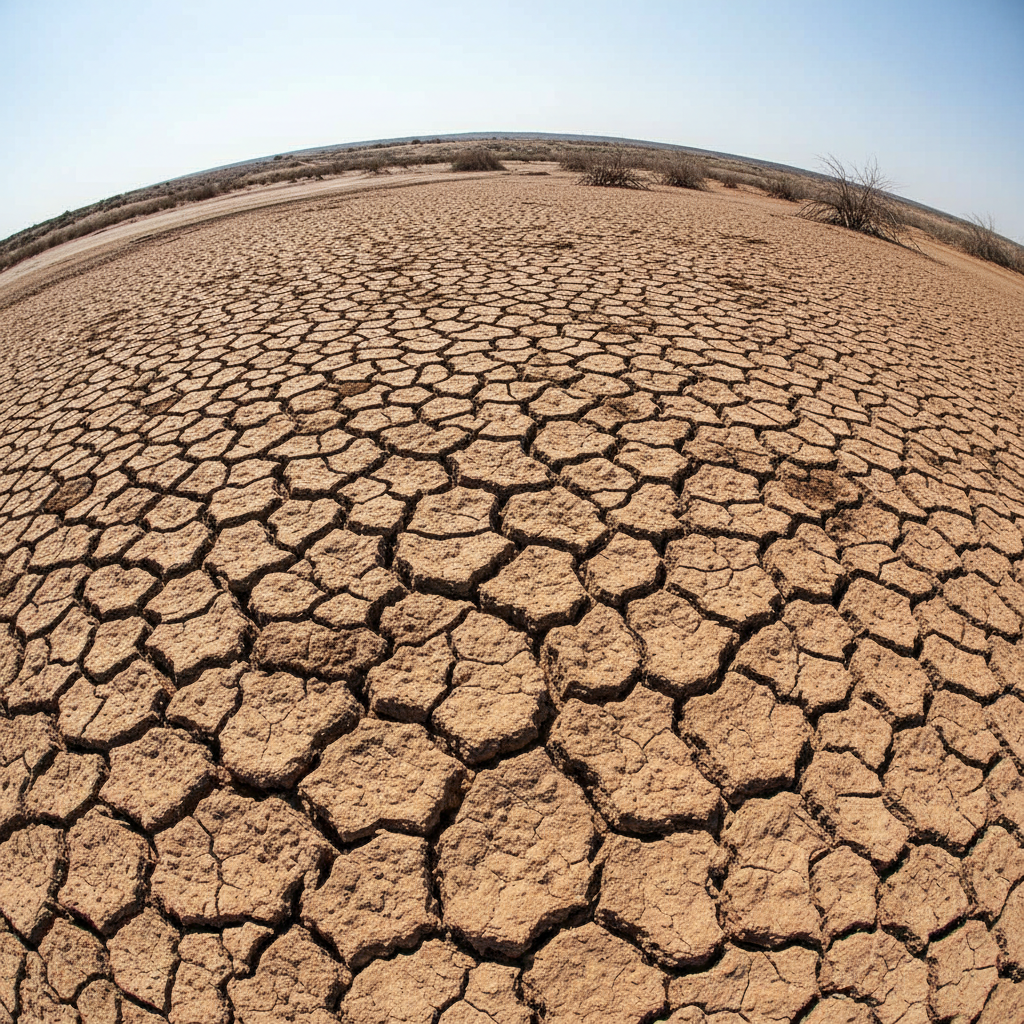
How filtration works
The gap between contaminated and clean is engineering, not magic.
Every community water system we've supported follows the same evidence-based protocol: survey the source, test what's in it, design the appropriate filtration, and — most critically — train the community to own it.
Hydrogeological Survey
2–6 weeksEngineers map underground water tables using seismic and electrical resistivity surveys — finding aquifers that have held water for centuries, untouched.
per site assessment
Source Testing & Filtration Design
99.97%Water chemists test for arsenic, fluoride, coliform bacteria, and 40 other parameters. Each filtration system is custom-designed for the specific contamination profile.
pathogen removal rate
Community Ownership Transfer
12 monthsThe most critical step. Local technicians are trained to maintain systems. Community water committees govern access and fees. The infrastructure belongs to the people it serves.
to full community operation
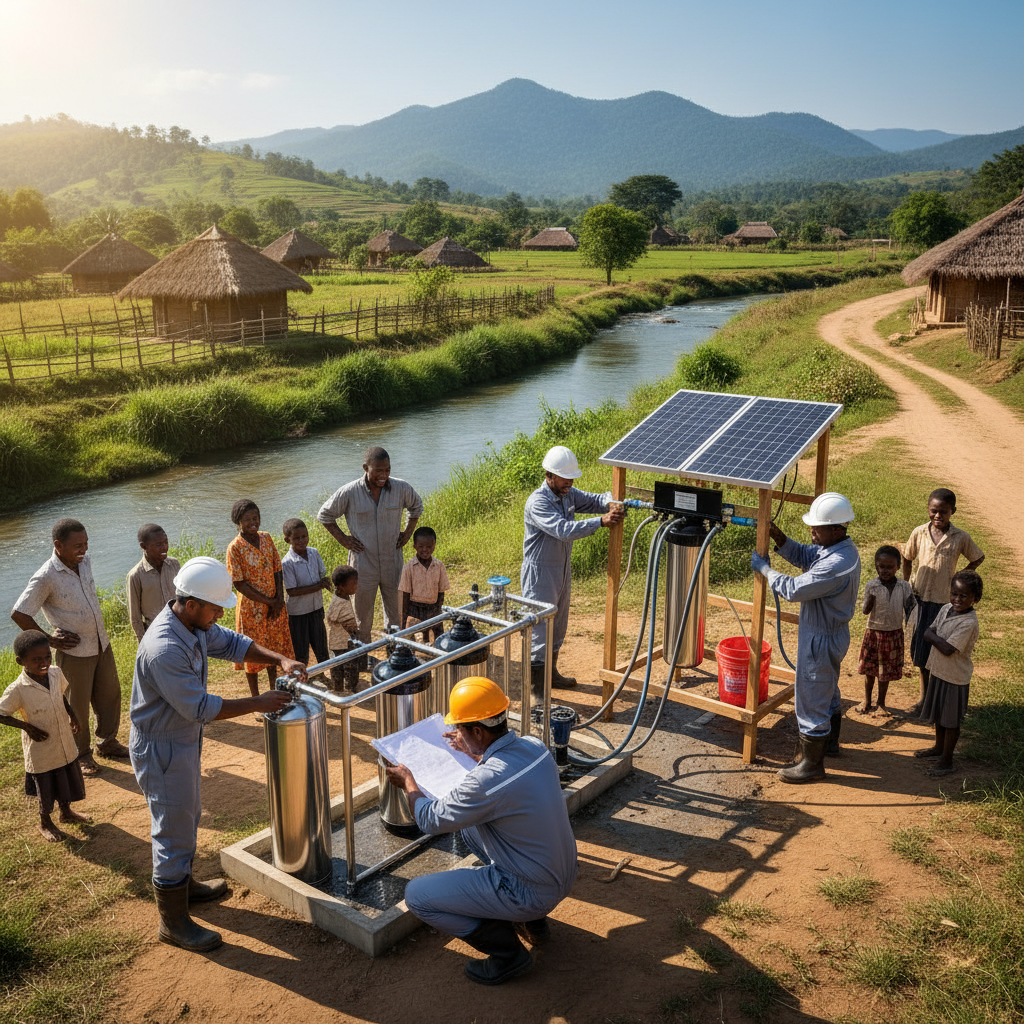
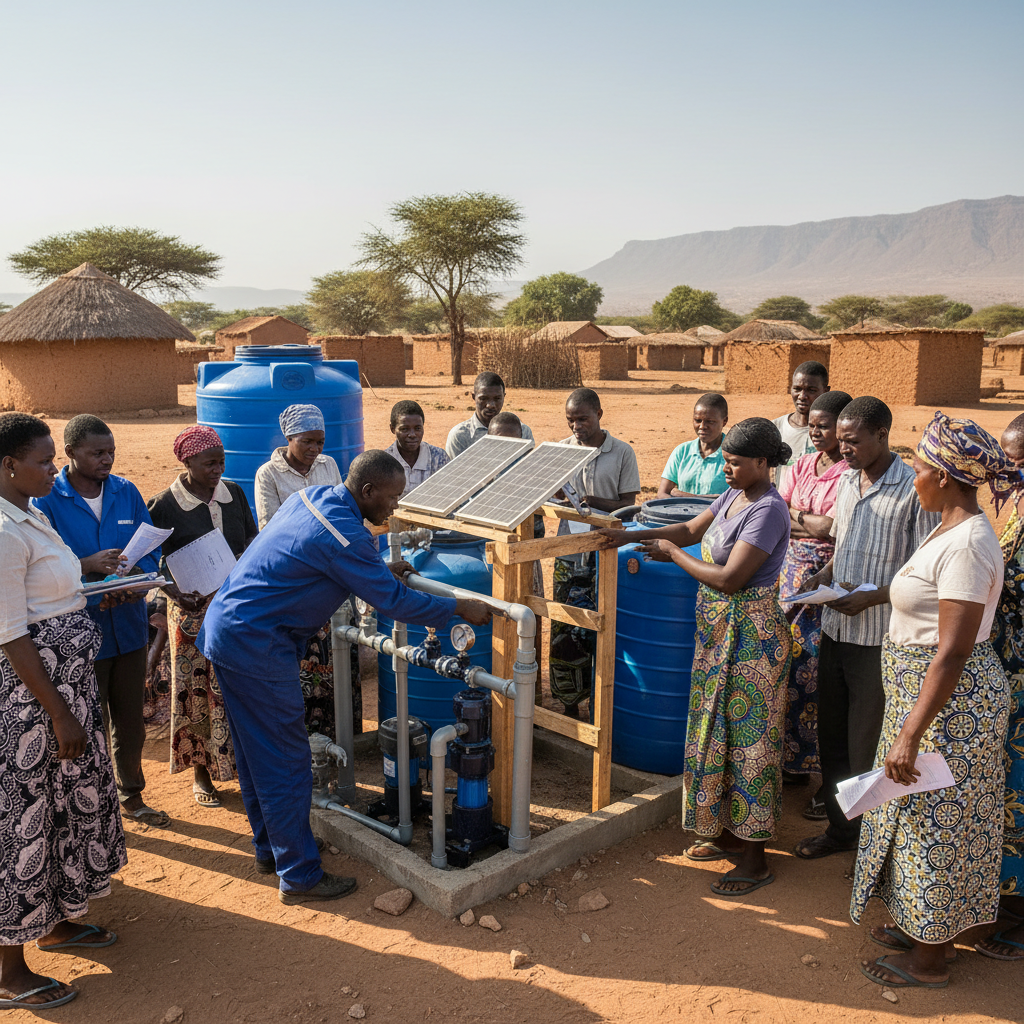
Same family. Same village. Different water.
Fourteen months after the Wellspring team completed installation and handed operational control to the Nwachukwu Community Water Committee, we went back to document what changed.
Amara wakes at 4:30 AM to begin a 2-hour walk.
Amara wakes at 6:30 AM. Her children sleep in.
Her youngest missed 40 school days last year — diarrheal illness.
Her youngest has a perfect attendance record this term.
The family spends 30% of income on bottled or treated water.
The family pays $0.40/month to the community water committee.
Now I use those two hours to run my business. I sell vegetables at the morning market. Clean water didn't just change my morning — it changed my math.
Reduction in waterborne illness
Increase in school attendance
Avg annual savings per household
Until full community ownership
The work, in numbers
Every number above represents a family whose morning routine no longer begins with fear. These are the results of 7 years of patient, community-led infrastructure work.
You already belong to
this story.
Reserve your seat at the Wellspring Campaign gathering — an evening of testimony, evidence, and collective commitment. The story doesn't end with what we've built. It continues with who shows up next.
Event Details
March 22, 2026 — World Water Day
7:00 PM EST / 4:00 PM PST
Live + Virtual Simulcast
340 of 500 remaining
Bigger ambitions?
Host a Wellspring screening in your city. We provide the film, facilitation guide, and speaker connection. You bring the room.
Host a Screening"I came as a skeptic — another NGO event, I thought. I left with a co-founder for our municipal water initiative and a grant contact who's already responded."
Dr. Damilola Kalu
Public Health Director, Lagos State